Thinking about trading your daily grind for ocean breezes and sunrise walks on the sand? If Melbourne Beach is on your shortlist, you are not alone. Moving to a barrier‑island town can feel exciting and a little complex, especially with coastal rules, insurance, and flood zones in the mix. This guide gives you clear, local context so you can plan with confidence and avoid surprises. Let’s dive in.
Melbourne Beach at a glance
Melbourne Beach is a small town on Florida’s Space Coast with a strong coastal identity and about 3,000 residents. It offers a low‑density, residential feel with a mix of year‑round homeowners, seasonal residents, and second‑home buyers. You can confirm local governance, services, and community updates through the Town of Melbourne Beach. For quick demographic context, check the U.S. Census QuickFacts for Melbourne Beach.
Housing and neighborhoods
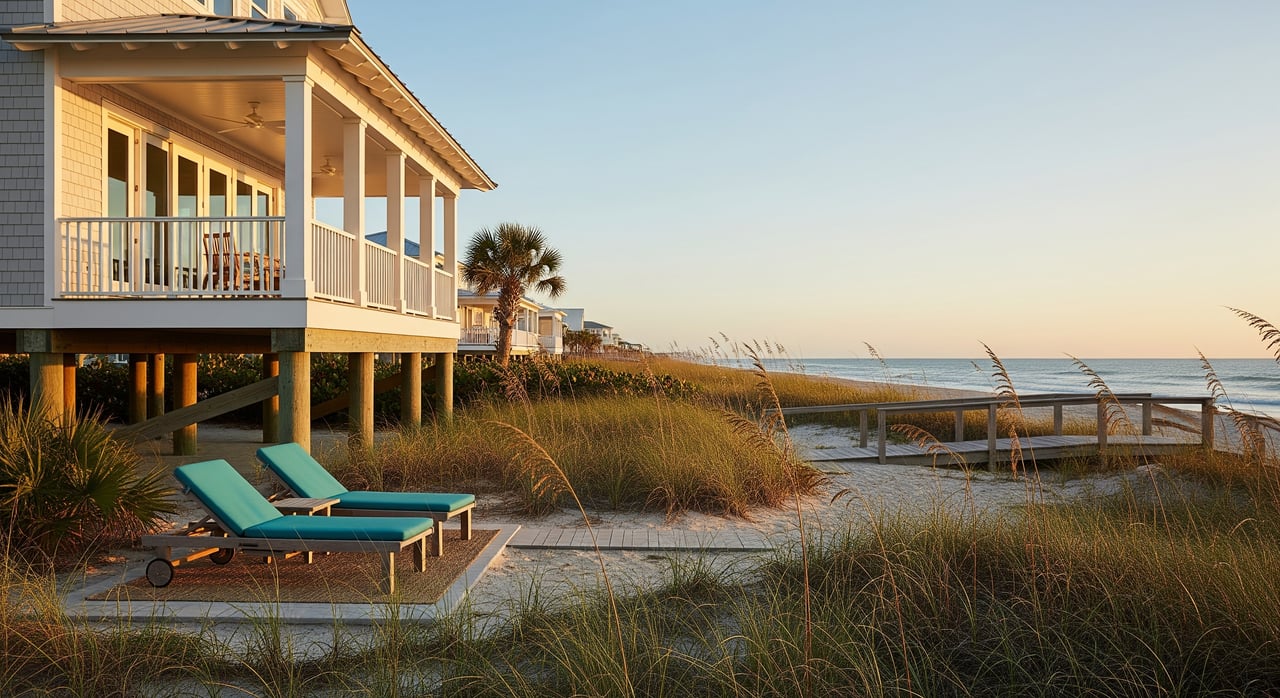
On a barrier island, land is limited, which tends to keep inventory tight. You will see many single‑family homes, including elevated coastal builds, mid‑century properties, and some condominiums and townhomes nearby. Waterfront and ocean‑adjacent homes typically carry a premium compared to inland or non‑waterfront options.
If you are buying, plan for coastal‑specific due diligence. Elevation, flood zone, and wind‑mitigation features can affect both safety and insurance costs. Sellers should prepare thorough disclosures, especially for any prior flood or wind damage and coastal repairs.
What drives value
- Proximity to the ocean or Intracoastal Waterway
- Elevation and foundation type, including homes on pilings
- Age and quality of coastal updates, like impact windows and roof strapping
- Overall condition and maintenance in the salt‑air environment
Insurance, flood zones, and elevation
Flood risk is a fact of life in many barrier‑island communities. Mortgage lenders generally require flood insurance for properties in FEMA Special Flood Hazard Areas. Before you tour, review the property’s flood zone and request any existing elevation certificate. You can explore maps and request determinations at the FEMA Flood Map Service Center.
Florida’s homeowners’ insurance market has been evolving, with some buyers turning to Citizens Property Insurance when private carriers are limited. Wind and hurricane coverage is typical, and documented wind‑mitigation features may reduce premiums. For current consumer guidance and market updates, use the Florida Office of Insurance Regulation.
Practical tips
- Ask for the elevation certificate and any wind‑mitigation report.
- Get insurance quotes early, including flood and wind coverage.
- Budget for coastal maintenance, like roof coatings, exterior paint, and corrosion‑resistant fixtures.
Costs, taxes, and utilities
Florida has no state income tax, which helps many relocating buyers. Property taxes vary by jurisdiction and change over time. If you plan to make the home your primary residence, the Florida homestead exemption can reduce taxable value for qualifying homeowners. For parcel records and assessed values, visit the Brevard County Property Appraiser.
Electricity is primarily served by FPL in most of Brevard County. Water and sewer service vary by area, and some older homes may use septic. Internet options often include major providers, though fiber availability can differ by street. Always verify utility hookups and providers for your specific address.
Coastal rules and permits
Coastal Florida has added layers of rules to protect dunes, beaches, and structures. The Florida Coastal Construction Control Line helps regulate building activity near the shoreline. If you plan to renovate or build near the beach, learn what requires permits by reviewing the Florida Department of Environmental Protection’s CCCL guidance and confirming requirements with the town.
Short‑term rentals can be regulated in beach towns. If you are considering a rental strategy, verify current licensing, safety, and tax requirements with the town and county before you buy. Some homes are also governed by HOAs with their own rules on exterior changes, parking, and rental policies.
Hurricanes and preparedness
Hurricane season runs from June 1 through November 30, with activity often peaking from August to October. Coastal hazards include high winds, storm surge, beach erosion, and nuisance tidal flooding in low‑lying areas. For local evacuation planning and alerts, bookmark Brevard County Emergency Management. Keep an annual plan for supplies, shutter systems, and insurance documents, and consider wind‑mitigation upgrades where appropriate.
Getting around and commute
Melbourne Beach sits on the barrier island with access to the mainland via causeways that connect to US‑1 and regional roads. A1A runs north‑south along the island, which helps you move between communities but can feel slower during peak times. Regional bus service exists but is limited on the island, so most residents rely on a car.
For air travel, the closest commercial airport is Orlando Melbourne International Airport (MLB). For larger domestic and international routes, Orlando International Airport is typically a bit over an hour away by car, depending on traffic and route.
Schools and healthcare
Public schools are part of the Brevard Public Schools system. Zoning can change by address, so verify assigned schools directly with the district using the Brevard Public Schools resources. If you are comparing private or charter options, you will find choices across Brevard County.
For hospitals and specialized care, many Melbourne Beach residents use facilities in nearby Melbourne. Health First’s Holmes Regional Medical Center is a major option for emergency and specialty care. Learn more through Health First’s Holmes Regional Medical Center.
Lifestyle and amenities
You will enjoy miles of beaches, surfing, fishing, and boating on the Atlantic and Intracoastal. Birding and coastal parks are part of daily life, and Sebastian Inlet to the south is a popular spot for fishing and surfing. On the mainland, the city of Melbourne offers arts, restaurants, breweries, and community events across the Space Coast.
Seasonally, expect more visitors during winter and spring, which can affect traffic and short‑term rental activity. If you prefer quieter months, late summer and early fall often feel less busy, though that period overlaps with peak hurricane season.
Buyer checklist for a smooth move
Use this quick list to streamline your search and closing.
- Request and review: elevation certificate, wind‑mitigation report, and full home inspection.
- Verify flood zone, insurance availability, and estimated premiums early.
- Confirm water, sewer or septic, power provider, and internet options for the address.
- Check setbacks, dune protections, and CCCL status if you plan to renovate or add structures.
- Review the seller’s disclosure for any prior flood or wind claims and coastal repairs.
- If rentals are part of your plan, confirm local short‑term rental rules and required licenses.
- Ask your lender about any coastal documentation required before closing.
A trusted guide on Florida’s Space Coast
Relocating to a barrier‑island community is exciting, and the right partner makes it simpler. You deserve clear answers on flood zones, insurance, and local rules, plus a patient search that fits your timeline and budget. If you are ready to explore Melbourne Beach and nearby Space Coast communities, connect with Pamela Jo Myers for local guidance and a smooth, professional experience from search to closing.
FAQs
When is hurricane season in Melbourne Beach, FL?
- Hurricane season runs June 1 to November 30, with peak activity often from August through October; monitor official guidance and local alerts from Brevard County Emergency Management.
Do I need flood insurance to buy in Melbourne Beach, FL?
- If the property is in a FEMA Special Flood Hazard Area and you have a mortgage, your lender will typically require flood insurance; check the home’s flood zone at the FEMA Flood Map Service Center and get quotes early.
How do I confirm public schools for a Melbourne Beach address?
- School assignments are set by Brevard Public Schools and can change by address; verify the current zoning directly with the district before you make an offer.
What is the Florida homestead exemption and how do taxes work?
- Florida’s homestead exemption can reduce the taxable value for a qualifying primary residence; review parcel details with the Brevard County Property Appraiser and confirm current exemptions with county tax offices.
Are short‑term rentals allowed in Melbourne Beach, FL?
- Short‑term rentals are often regulated in beach towns; verify the Town of Melbourne Beach’s current licensing, safety, and tax rules before you purchase if rentals are part of your plan.
Which airport is closest to Melbourne Beach, FL?
- Orlando Melbourne International Airport (MLB) is the closest commercial airport, with broader service options available at Orlando International Airport on the mainland.