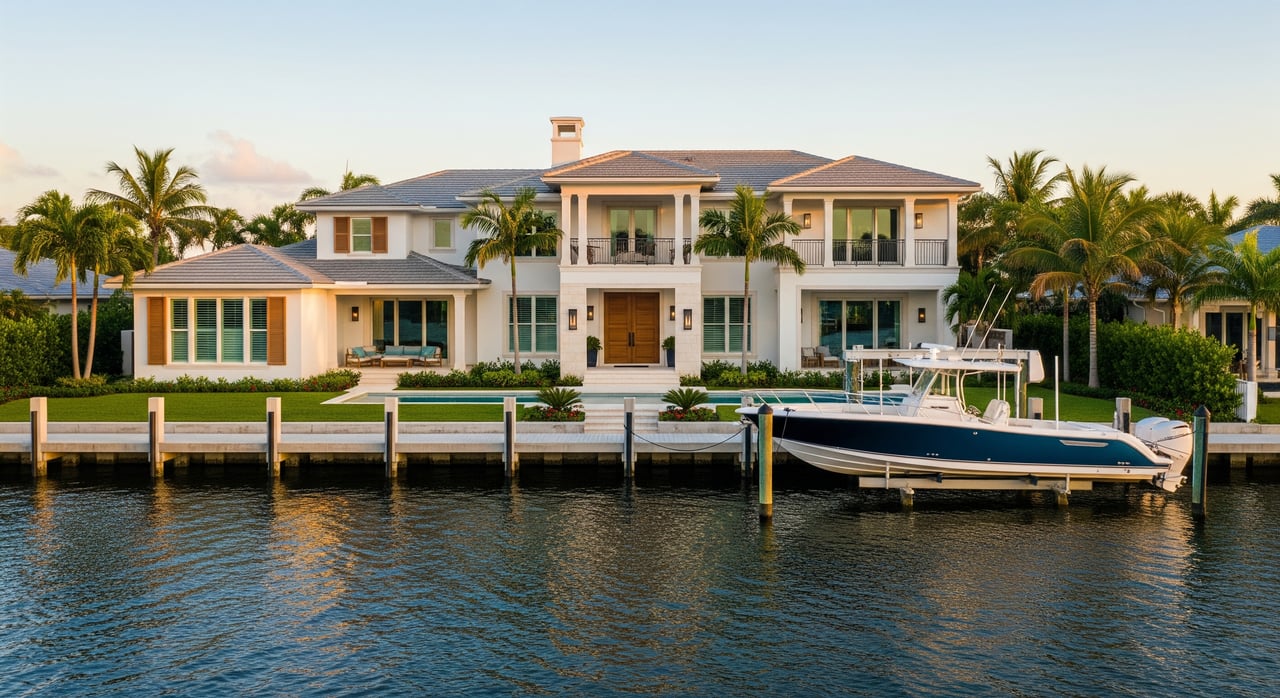
Thinking about selling your home in Melbourne? You want the right price, a smooth process, and a buyer who can close on time. With the Space Coast’s unique mix of beach lifestyle, aerospace jobs, and seasonal traffic, a local broker can make a real difference in your results. In this guide, you’ll learn how a Melbourne-based broker helps you price correctly, market smarter, manage local risks, and move from list to close with confidence. Let’s dive in.
Why a Melbourne broker matters
Local pricing and micro-markets
A local broker understands the differences between waterfront condos, suburban single-family homes, and properties near major employers. They know how proximity to the Indian River Lagoon, beaches, Patrick Space Force Base, and tech corridors influences value. With a detailed Comparative Market Analysis, you get realistic pricing that matches neighborhood trends and current inventory.
Buyer networks on the Space Coast
Local brokers keep active relationships with other agents and the buyer types common to Melbourne. That includes military transfers, retirees arriving in winter months, and investors. These networks can lead to faster showings and stronger offers because your home is marketed to the right buyers from day one.
On-the-ground marketing and logistics
Your broker coordinates professional photos, 3D tours, open houses, and quick access for agents and inspectors. They align messaging to what Space Coast buyers value, like commute routes to Kennedy Space Center or beach access. You get responsive, in-person support that keeps showings and negotiations moving.
Risk management before listing
A local expert helps you surface potential issues early. Common items include flood zones, hurricane-related insurance questions, HOA or condo requirements, and permitting history. Identifying these items up front lets you disclose, price, or prepare documentation so buyers feel confident.
Pricing and timing in Melbourne
Seasonality matters. Buyer traffic on the Space Coast often increases during fall and winter, which can boost showings and speed up offers. The local job base also influences demand, especially when aerospace or defense announcements bring new hires to the region. A local broker will time your launch and suggest a pricing strategy that fits current supply, recent sales, and your timeline.
You can choose to price competitively to attract multiple offers or test the market with a slightly higher list price. The right choice depends on your goals, the property’s condition, and what nearby homes are doing. Expect your broker to walk you through tradeoffs and adjust based on early feedback.
A simple way to choose your broker
When you interview agents, ask for specifics and clear plans. Here is a quick checklist to keep you focused:
- Track record in Melbourne and Brevard: recent similar sales, average days on market, and list-to-sale price ratio.
- Pricing approach: a full CMA with a clear rationale for the suggested list price.
- Marketing plan: written steps for photos, tours, MLS exposure, social media, open houses, broker tours, and signage.
- Communication: who your point of contact is, response times, showing protocols, and update frequency.
- Fees and net: a detailed estimate of closing costs, commissions, and your projected net at different price points.
- Property-type experience: relevant experience with waterfront, condo, historic, or HOA properties if applicable.
- Credentials and reputation: Florida license, local office presence, and professional memberships, plus seller references.
Your Melbourne selling timeline
Every sale is different, but this general framework helps you plan and reduce stress.
Pre-listing prep (1–4+ weeks)
- Review CMA, choose pricing, and set a launch date.
- Complete minor repairs, declutter, and stage as needed.
- Schedule professional photography and gather documents: deed, mortgage payoff, survey if available, recent tax bill, HOA or condo documents, permits, warranties, and receipts for major work.
Listing and marketing (1–3+ weeks)
- Go live on MLS with compelling photos and description.
- Run marketing across online channels and schedule showings.
- Host open houses or broker tours when appropriate.
Offers and negotiation (variable)
- Review price, terms, and contingencies like financing, inspection, and appraisal.
- Consider timing, escalation clauses, and repairs or credits.
- Choose the offer that best balances net proceeds and certainty.
Under contract and inspections (2–6 weeks)
- Complete inspections and negotiate any repairs or credits.
- Buyer’s lender orders appraisal if financing is involved.
- Title work begins to confirm liens, taxes, and clearance to close.
Closing period (about 30–60 days from contract)
- Final walkthrough, settlement statements, and transfer of funds.
- Deed is recorded and keys are delivered.
Disclosures and risks to prepare for
Handling local requirements early helps you avoid surprises and delays.
Flood zones and elevation data
Parts of Brevard County include low-lying and coastal areas. Check your property’s flood zone using the FEMA Flood Map Service Center. If your home has an elevation certificate or flood history, gather those documents. Buyers and lenders may require flood insurance based on FEMA mapping.
Hurricanes, wind, and insurance questions
Florida’s insurance market affects buyer underwriting and premiums. Be ready to discuss the age of the roof and any hurricane hardening. For consumer guidance on policies and complaints, see the Florida Office of Insurance Regulation’s Consumer Assistance and the Florida Department of Financial Services consumer resources. Clear documentation can help buyers feel confident and keep the deal on track.
HOA and condo documents
If your home is in an HOA or a condominium, you will likely need to provide association documents and confirm fees, rules, and any special assessments. Timing and costs vary by association. Your broker can coordinate with the management company to request resale packets and confirm lead times.
Lead-based paint for older homes
If your home was built before 1978, you must provide federal lead-based paint disclosure forms. Learn more from the EPA’s guide to real estate disclosure.
Title, liens, taxes, and permits
Clear title is essential. You can review public records through the Brevard County Property Appraiser and the Brevard County Clerk of Courts for information related to recorded documents. If you completed renovations, it helps to verify permitting history with the county’s Planning and Development Permits page. For a plain-language overview of closing costs and disclosures, the Consumer Financial Protection Bureau’s closing guide is helpful.
Smarter marketing for Space Coast buyers
A strong listing plan pairs great presentation with targeted distribution. Here are common tactics that work well in Melbourne:
- Professional photos, floor plans, and 3D or virtual tours. Waterfront or larger lots often benefit from aerial photography.
- MLS listing copy that highlights proximity to beaches, major employers, and key commute routes.
- Social ads and email to local agent and buyer networks, including military and relocation contacts.
- Open houses and broker tours to increase local visibility.
- Staging or virtual staging to improve online appeal and showings.
Your broker will tailor the mix to your property type, location, and the current level of buyer demand. The goal is simple. Maximize qualified showings in the first two weeks and convert the best interest into a strong, clean offer.
Start with a local conversation
You do not need to manage pricing, marketing, showings, disclosures, and negotiations on your own. A Melbourne-focused broker helps you avoid missteps and protect your bottom line from the start. If you are thinking about selling this season, reach out for a no-pressure consultation and a clear net-to-seller estimate from Pamela Jo Myers.
FAQs
How long will it take to sell in Melbourne?
- It depends on location, price, condition, and season. A local CMA and current days-on-market trends offer the best short-term estimate.
What will it cost to sell my Melbourne home?
- Plan for agent commissions, title and closing fees, tax and HOA prorations, and possible repair credits. Your broker can provide a net proceeds worksheet for several price scenarios.
Do I need repairs before listing in Brevard?
- Prioritize items that affect safety, roof integrity, and major systems. For cosmetic issues, compare the likely return against the cost or consider a credit at closing.
How do flood zones affect my sale?
- Lenders may require flood insurance for high-risk zones, which can affect affordability for some buyers. Check your address on the FEMA Flood Map Service Center and gather any elevation certificates.
What disclosures are required for older homes?
- Homes built before 1978 require federal lead-based paint disclosures. The EPA’s disclosure page explains the basics and required forms.
What documents should I gather before listing?
- Collect your deed, mortgage payoff, survey if available, recent tax bill, HOA or condo documents, permits, warranties, and receipts for major work. Clear documentation speeds up due diligence.